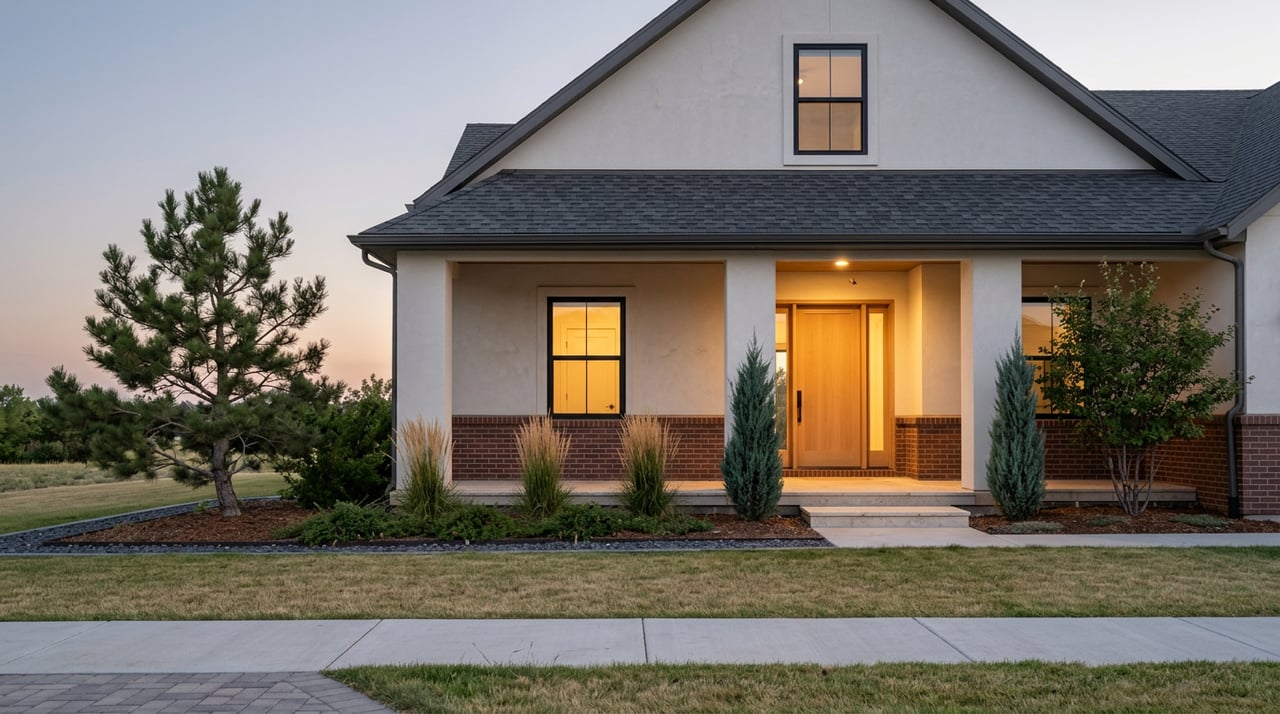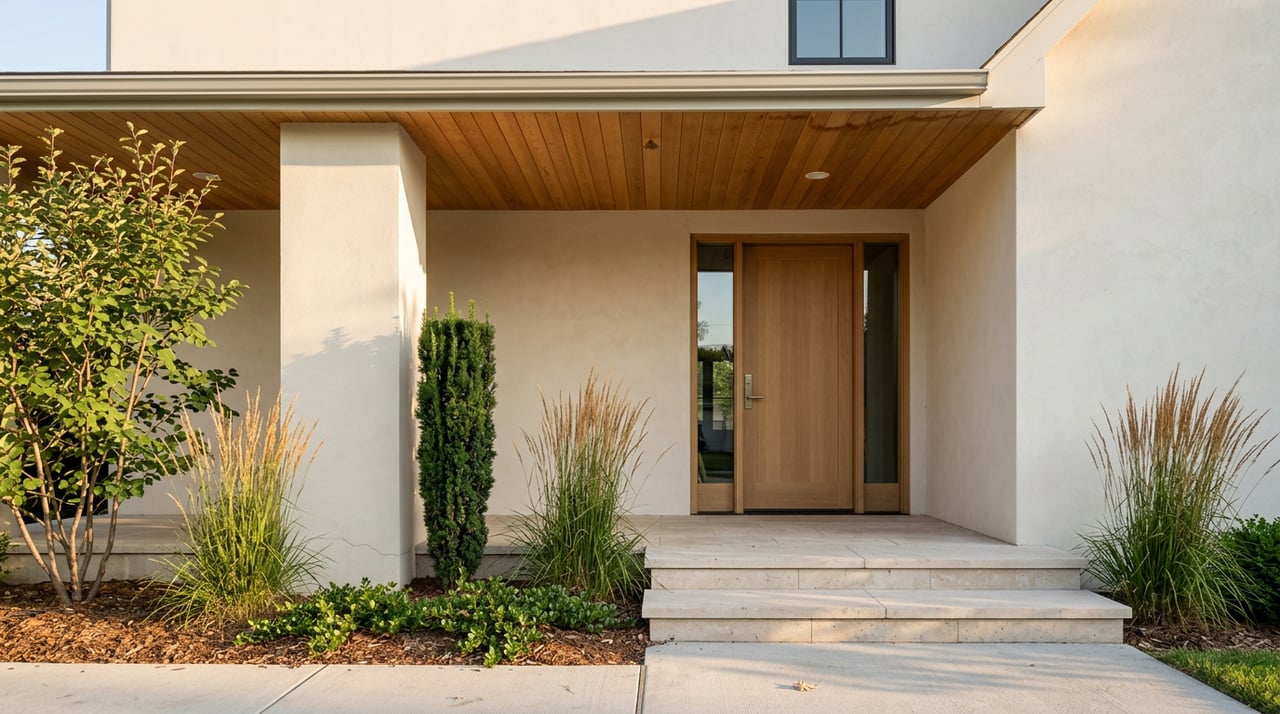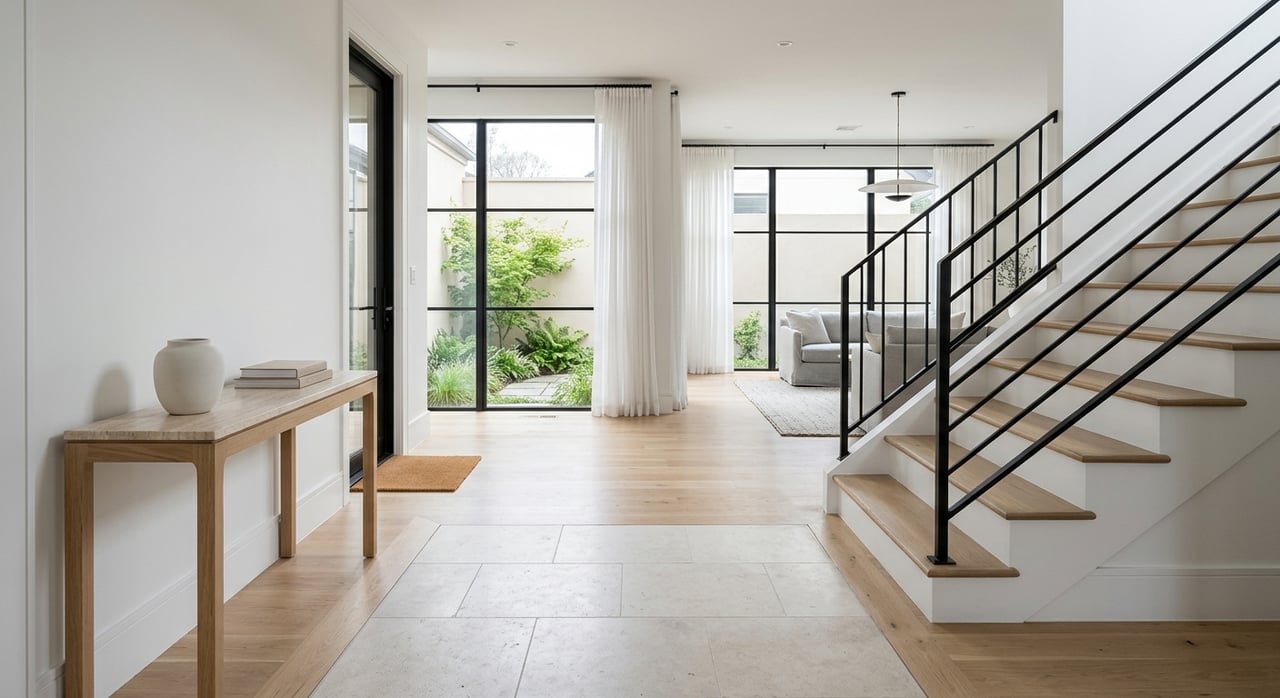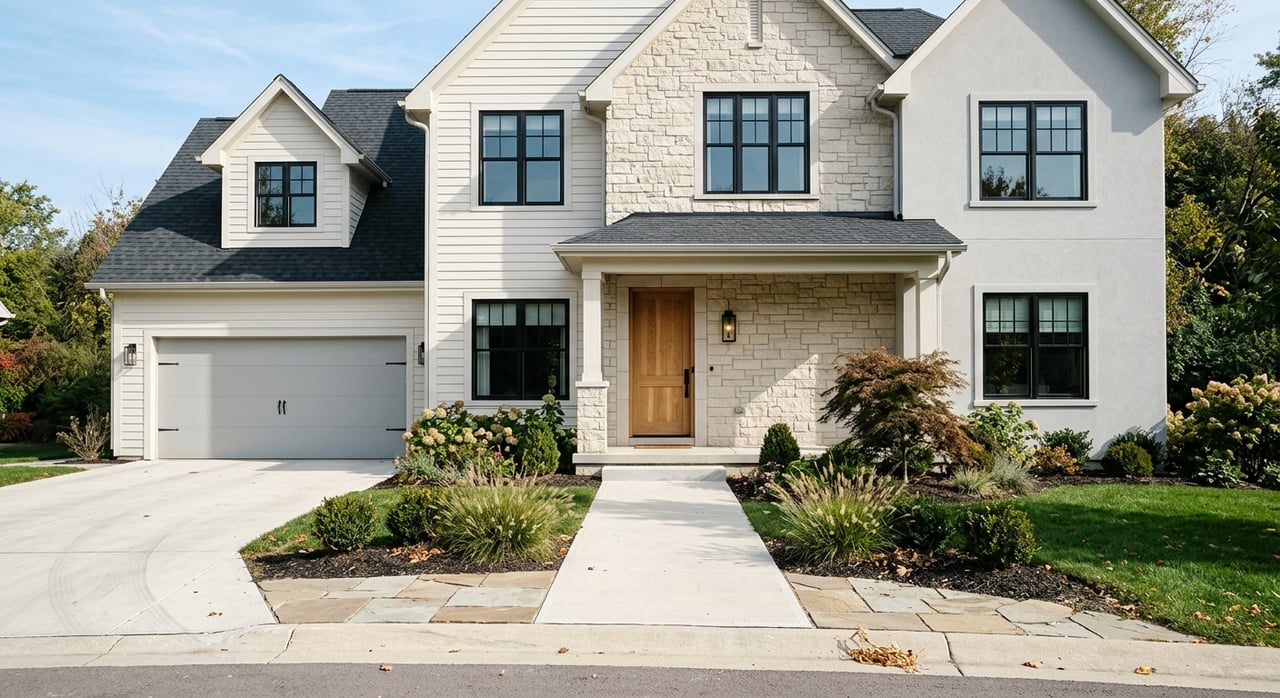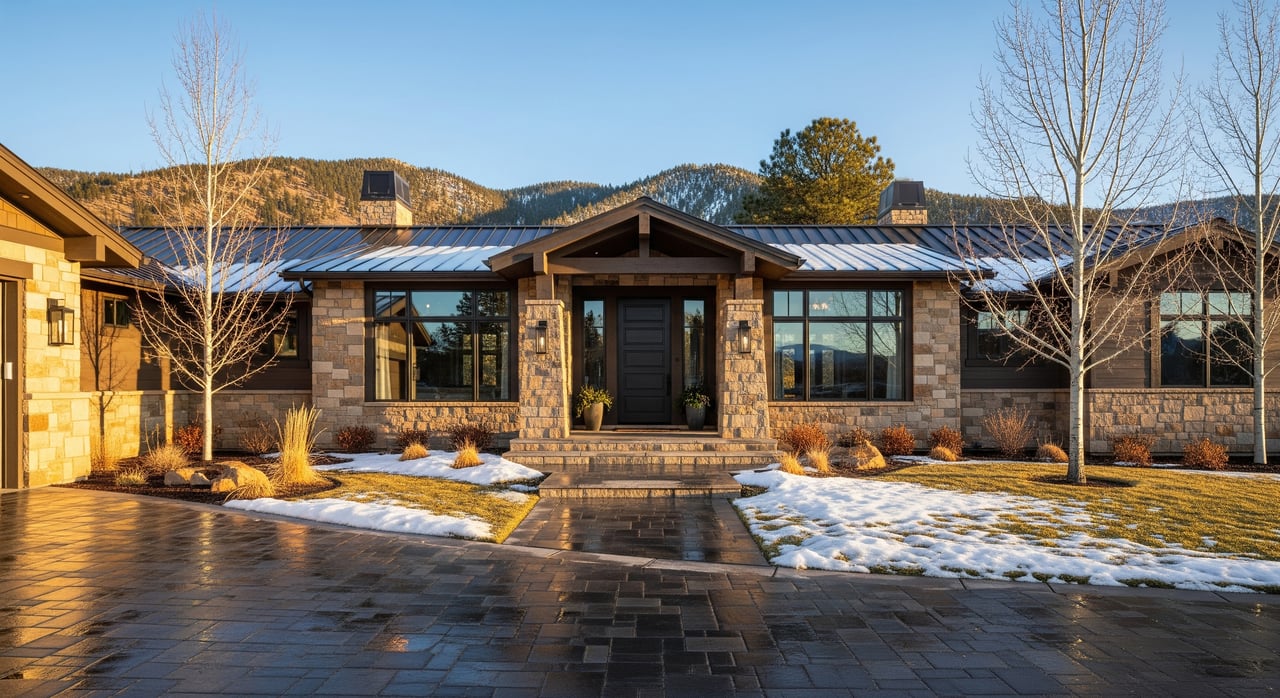
Thinking about selling your Highlands Ranch home but unsure if you should list in winter or wait for spring? You are not alone. Timing can influence traffic, negotiation power, and your stress level. In this guide, you will learn how seasonality typically plays out in Highlands Ranch, what you can expect in winter versus spring, and a practical plan to prepare your home for either path. Let’s dive in.
Highlands Ranch seasonality at a glance
Highlands Ranch is a large, master-planned community in Douglas County with amenities, open space, and access to the Denver Tech Center and other employment hubs. These features draw a wide range of buyers, including relocating professionals and households planning moves around the school calendar.
In most years, winter brings fewer new listings and lower overall buyer traffic. Spring tends to deliver more showings, improved curb appeal, and stronger competition among buyers. That said, broad economic factors like mortgage rates and employment can magnify or soften these seasonal swings. A quick check of recent local metrics for Highlands Ranch through MLS sources can help you decide how strongly seasonality is showing up this year.
Weather matters too. Winters are cold with periodic snow, which can limit curb appeal and complicate showings. By March through May, greener lawns and longer daylight help your photos and in-person impressions.
Winter listing: what to expect
Pros in winter
- Less competition from other sellers, which can help your home stand out.
- Buyers who tour in winter are often motivated by job changes, lease timelines, or personal deadlines.
- If inventory is thin and your home shows well, you may secure an offer quickly.
Cons in winter
- Lower overall buyer traffic means fewer showings and possibly longer days on market.
- Dormant landscaping and snow can dull first impressions and photography.
- Inclement weather and holiday schedules can make showings less convenient.
Best fit for winter sellers
A winter launch can work well if you need to move quickly, are willing to price competitively, or your home clearly outshines the limited competition. It can also fit timelines tied to job relocations or new-start dates.
Winter tactics that work
- Focus on interior presentation: fresh paint, lighting, deep clean, and warm staging highlights.
- Call out winter-ready features like a fireplace, energy efficiency, or a heated garage.
- Keep walkways clear, well lit, and safe. Arrange reliable snow and ice control.
- Use professional photography, including twilight shots and a 3D tour, to reach out-of-town or weather-delayed buyers.
Spring listing: what to expect
Pros in spring
- More active buyers and higher showing activity, especially among households aiming to move before the next school year.
- Stronger curb appeal as lawns green up and days get longer, which can help your photos and first impressions.
- In many years, homes see shorter days on market and stronger sale-to-list outcomes in spring.
Cons in spring
- More competing listings mean you must price and present strategically to stand out.
- If you are also buying, you may face more competition for your next home.
- Prep work often needs to start in winter to be ready for spring photos and launch.
Best fit for spring sellers
If your priority is maximum market exposure and you can wait to align with higher buyer traffic, spring is often the best call. Homes with strong landscaping or exterior features may gain more from the seasonal boost.
Spring tactics to stand out
- Begin repairs and updates in winter so you can enter the market early in spring.
- Time professional photos when the exterior looks its best and daylight is strong.
- Use competitive pricing and compelling marketing assets to capture attention in the first week on market.
Timing your prep: a Q1–Q2 plan
If you plan for spring (list March–May)
- December–January:
- Request a comparative market analysis to understand current Highlands Ranch pricing and inventory.
- Schedule major repairs or replacements so work is complete before staging.
- Check HOA resale document requirements and timelines; order what you can early.
- January–February:
- Declutter, deep clean, and complete cosmetic updates.
- Line up staging and photography, and plan landscaping touch-ups for early spring.
- Consider a pre-listing inspection to reduce negotiation risk.
- Late February–early March:
- Final staging, professional photos, and marketing prep.
- Launch with attractive pricing and strong first-week presentation.
If you plan for winter (list December–February)
- Four to eight weeks before listing:
- Finish the most visible interior updates first.
- Set up snow removal and walkway safety plans for showings.
- Book photography for the brightest daytime window; capture warm, inviting interiors.
- Consider strategic incentives such as flexible closing dates or credits to attract buyers.
- During the listing:
- Offer virtual tours and floor plans prominently.
- Stay flexible with showings and quick to respond to interest.
Universal to-do list
- Assemble HOA resale packets and disclosures early.
- Gather utility and maintenance records to support buyer confidence.
- Decide in advance how flexible you can be on closing dates and seller concessions.
- Plan for a typical 30 to 45 day closing window unless your contract specifies otherwise.
Local logistics that affect timing
HOA resale documents
Many Highlands Ranch properties sit in HOA communities. HOAs often require resale packets and disclosures, which can involve fees and processing time. Ordering early helps prevent surprises during the buyer’s due diligence.
Colorado disclosures
Colorado uses a standard Seller’s Property Disclosure for known material facts, with some exceptions. Confirm current requirements with the Colorado Division of Real Estate and complete forms accurately. Transparency reduces the chance of repair disputes or delays later.
Douglas County closing calendars
Recording, property tax schedules, and proration rules are governed by Douglas County offices. These timelines affect your closing date and net proceeds. Your agent and title partners can align dates to match your move and help you plan for taxes and recordings.
How to decide for your situation
Start with your goals and constraints. If you prioritize speed and lower carrying costs, winter can be effective, especially with careful pricing and strong interior presentation. If your goal is maximum exposure and your home will benefit from curb appeal, spring usually offers a wider buyer pool.
Also consider replacement housing. If you need to buy and sell, spring can be competitive on both sides. Strategies such as early pre-approval, rent-back options, or flexible closing dates can help. In winter, inventory can be tighter for your next purchase, so build extra time into your plan.
Finally, get local numbers. Look at recent Highlands Ranch trends for active listings, days on market, and sale-to-list ratios. These indicators help you weigh how strong the seasonal effect is right now. A personalized pricing and timing strategy can save you weeks on market and improve your net.
If you want a calm, high-touch approach from a team that knows Highlands Ranch and the southern corridor well, reach out to J. Garland Thurman. We will provide a local market review, a preparation plan tailored to your home, and a clear listing timeline that fits your move.
FAQs
Will I get a higher price if I wait until spring in Highlands Ranch?
- Often, spring brings more buyers and shorter days on market, which can support stronger prices. Still, mortgage rates and local inventory can matter more than the season in a given year.
Is winter a bad time to list in Highlands Ranch?
- Not necessarily. Winter has fewer buyers, but also fewer competing listings. With strong presentation and fair pricing, motivated buyers can produce solid offers.
How can I improve winter curb appeal in Highlands Ranch?
- Keep walks shoveled, entryways clear, and exterior lighting bright. Emphasize clean windows, a tidy porch, and warm interior staging to make a great first impression.
Do buyers expect credits or price cuts in winter?
- In slower seasons, some buyers expect more negotiation room. Competitive pricing and addressing repairs upfront can help you hold the line during negotiations.
How do HOAs affect my sale timeline in Highlands Ranch?
- HOAs often require resale documents with processing times and fees. Request these early so your buyer’s due diligence stays on track.
How long does a typical closing take in Douglas County?
- Most residential closings take about 30 to 45 days, depending on financing, appraisal, and title timelines. Your agent and title team can adjust dates to match your move.