Wondering what day-to-day life feels like around Historic Downtown Littleton? If you picture a true Main Street with coffee in hand, errands on foot, and evenings that can swing from quiet to lively, you’re close. This guide walks you through walkability, transit, parks and trails, local culture, housing styles, and the practical trade-offs that shape daily living. By the end, you’ll be able to picture a typical week and see whether the area fits your routine. Let’s dive in.
What makes it feel walkable
Historic Downtown Littleton is a compact, character-rich district centered on Main Street and formally recognized by the City through a downtown historic-district designation. The narrow core sits between the railroad corridor and the South Platte River, which concentrates storefronts and gathering spots into a simple 6 to 12 block strip that feels like a small-town high street. That layout makes it easy to park once and walk for much of your day. You can learn more about the district’s preservation framework on the City’s page for Littleton Historic Landmarks and Districts.
Errands and evenings on foot
Central intersections like S Prince and W Berry show Walk Score values in the mid 80s, which reflects short blocks, dense storefronts, and nearby parks. That makes everyday errands, dining, and meetups very doable on foot inside the core. Beyond downtown, Littleton is more car-oriented, so you will likely drive for larger grocery runs or appointments. For a feel of the small-business mix, browse the Downtown Littleton directory of independent shops and services.
Safety upgrades you notice
The City has invested in pedestrian improvements that you can feel underfoot, including a Main Street raised-crosswalk project designed to slow traffic and make crossings clearer. These upgrades support the district’s pedestrian-first approach and help make walking feel established and predictable within the core. If you like strolling to dinner or a show, that consistency matters.
Getting around and commuting
The Littleton Downtown Station sits at the west edge of Main Street and links you north toward central Denver on the D Line. The adjacent park-and-ride makes rail a practical choice for car-light commuting and short trips around the metro. Local buses and FlexRide shuttles add coverage, though frequency is modest compared with denser city neighborhoods. Many residents still use a car for errands outside the walkable pocket.
Food, shops, and arts
You will find a steady mix of casual-to-upscale restaurants, wine bars, taprooms, coffee spots, and specialty shops throughout the core. Programming at the Town Hall Arts Center brings plays, concerts, and classes to a historic building that doubles as a community anchor. Annual traditions like Western Welcome Week and winter’s Candlelight Walk and tree lighting create a rhythm of busy weekends and quieter mid-week evenings. Expect lively sidewalks in summer and early fall, with a cozy holiday vibe in late November and December.
Parks and trails nearby
Bega Park sits at the east end of Main Street and works as a neighborhood living room for markets, concerts, and meetups. A few blocks north, Geneva Park offers a small lake and paved paths that are popular for quick walks. The Mary Carter Greenway along the South Platte River is the area’s outdoor backbone, running about 8 miles and linking downtown to Hudson Gardens, riverfront dining, and on toward Chatfield State Park. East-west connectors like Lee Gulch and the High Line Canal add options for stroller loops, dog walks, and bike rides.
A 30-minute morning loop
- Start on Main Street and grab a coffee.
- Stroll to Bega Park for a quiet bench break.
- Walk down to the river and hop on the Mary Carter Greenway for a relaxed out-and-back.
- Head up a different side street to explore new storefronts on your return.
This simple route works as a daily reset, and you can easily stretch it into a longer run or bike ride on weekends.
Housing and historic character
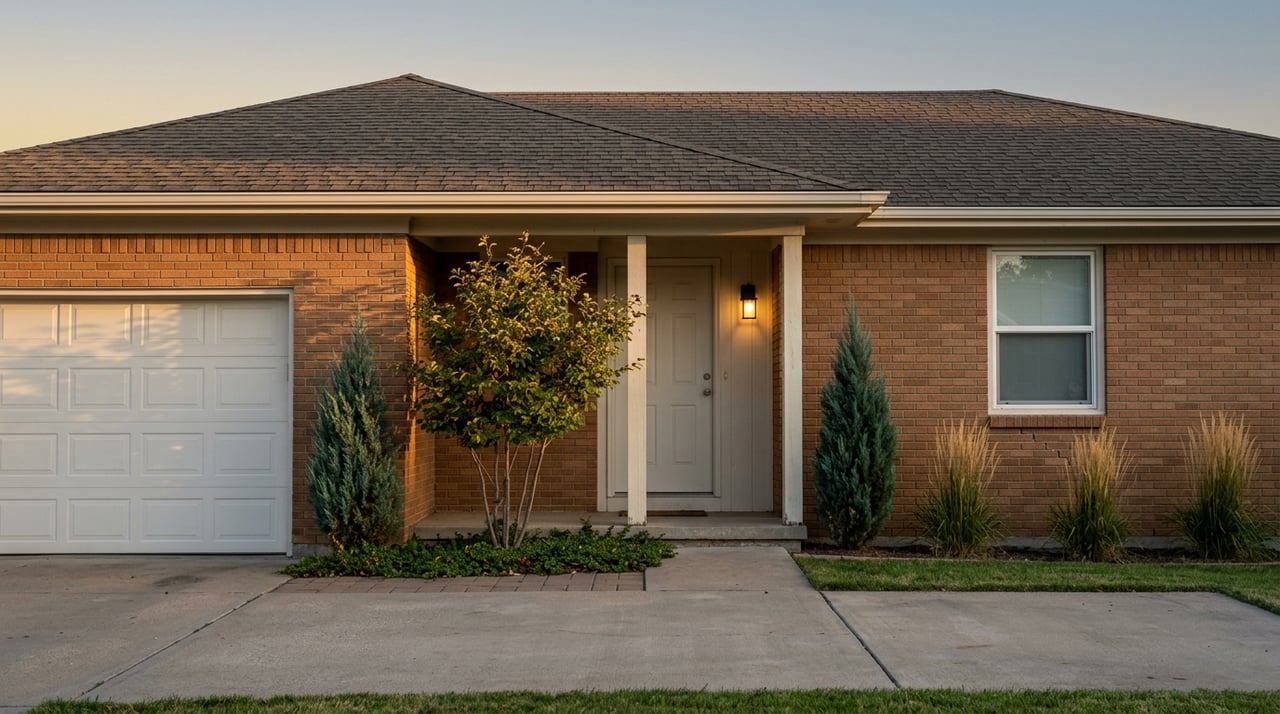
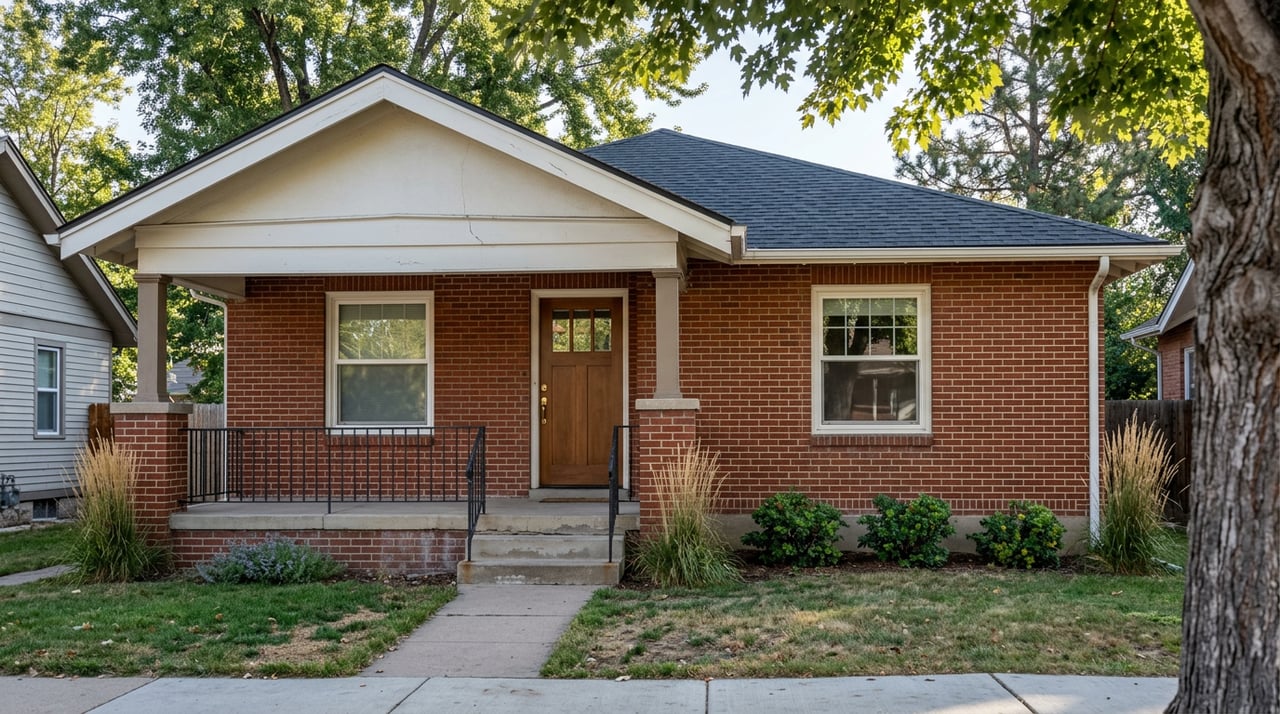
In and around the core, you will see a mix of lofts, condos, and small townhomes close to Main Street, plus older single-family homes just a few blocks out. Adjacent streets include turn-of-the-century houses, Craftsman and bungalow examples, and mid-century ranches in nearby neighborhoods. Many early-stage buyers choose walkable condos or townhomes for simplicity, while others target smaller historic houses with yards in the surrounding blocks. It is a broad mix, which helps different budgets and lifestyles find a fit near the center of things.
What the district means for updates
Because the area is a designated historic district, exterior alterations and demolitions go through the City’s preservation review process. Interior updates are not typically affected, but it is smart to check your plans early if you want to renovate a facade, add on, or make visible changes. You can review the City’s guidelines and connect with staff on the Littleton Historic Landmarks and Districts page. Some buyers appreciate the added stewardship because it helps maintain the street’s character over time.
Everyday trade-offs to weigh
- Rail and rhythm. The railroad and RTD tracks run beside the core. For most residents, light-rail frequency and occasional freight activity become part of the backdrop. During tours, it is reasonable to ask about train activity and any odor or noise history near a property so you can set expectations.
- Parking and event days. Downtown is built for a “park once and walk” experience, and the station’s park-and-ride plus municipal lots handle typical demand. On festival days, curb parking fills quickly, so plan to arrive a bit earlier or use the train.
- Seasons and pace. Summer and early fall bring the most festivals and outdoor concerts. Winter holiday traditions add short bursts of activity. Mid-week periods outside of events often feel low-key.
- Schools and services. The area is served by Littleton Public Schools. Because attendance boundaries and bus routes can change, it is best to verify a specific address using the district’s boundary and bus route locator.
Is downtown a fit for you?
If you value walkability, a lively arts calendar, and quick trail access, Historic Downtown Littleton can make daily life feel simple and connected. If you want a bit more space and quieter streets, you can step just beyond the core and still keep Main Street in your orbit. Either way, you will want an experienced local guide to help weigh historic considerations, transportation options, and property types that match your goals.
Curious about homes in and around the historic core or nearby neighborhoods? Reach out to J. Garland Thurman for calm, high-touch guidance tailored to your lifestyle, commute, and budget.
FAQs
How walkable is Historic Downtown Littleton for daily errands?
- Central blocks score in the mid 80s on Walk Score, so coffee, dining, and small errands are practical on foot. Beyond the core, most errands will require a car.
What public transit options serve Downtown Littleton?
- The Littleton Downtown Station connects to Denver on the D Line, with a park-and-ride on site. Local buses and FlexRide provide additional coverage with modest frequency.
Which parks and trails can I access from Main Street?
- Bega Park is right on the east end of Main, and the Mary Carter Greenway along the South Platte is a quick walk for daily loops, runs, and bike rides.
Are there regular community events in the district?
- Yes. Staples like Western Welcome Week, seasonal markets, and holiday traditions draw crowds, while mid-week periods tend to be calmer.
What should I know about renovating in the historic district?
- Exterior changes and demolitions go through City preservation review. Plan to consult City staff early if your project affects the exterior or a visible addition.
Which school district serves this area?
- Littleton Public Schools serves the area. Use the district’s boundary and bus route locator to confirm details for a specific address.