Are you shopping for a Cherry Hills Village home where the price easily clears standard loan limits? You are not alone. Many buyers here use jumbo financing to purchase estate properties, custom homes, and large-acreage lots. In this guide, you will learn what makes a loan “jumbo,” how underwriting works, and how to structure a strong pre-approval that helps you compete in this luxury market. Let’s dive in.
What is a jumbo loan
A jumbo loan is a mortgage where the loan amount exceeds the conforming loan limit set each year by the Federal Housing Finance Agency for your county. Conforming loans can be purchased by Fannie Mae or Freddie Mac. Jumbo loans cannot, so lenders apply different rules.
Because limits are county specific and change annually, you should verify the current Arapahoe County conforming loan limit before you write offers. If your needed loan amount is above that number, you are likely in jumbo territory and should plan your financing accordingly.
Why jumbos in Cherry Hills Village
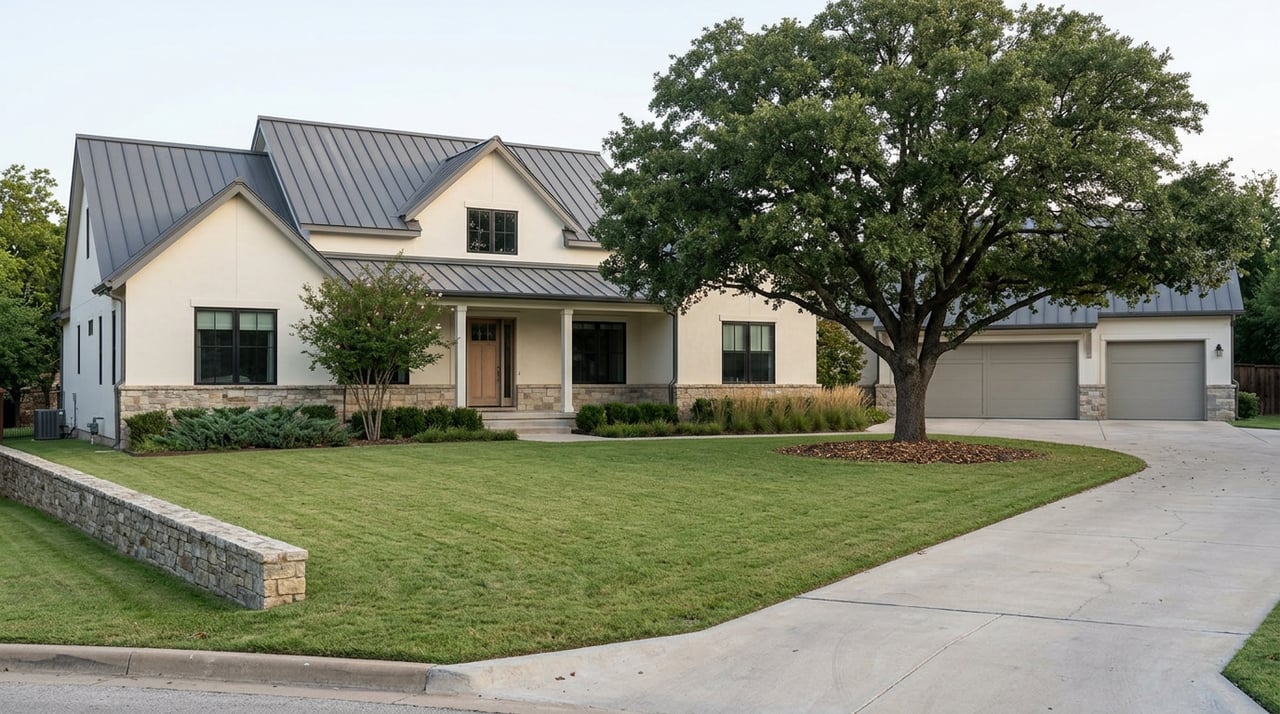
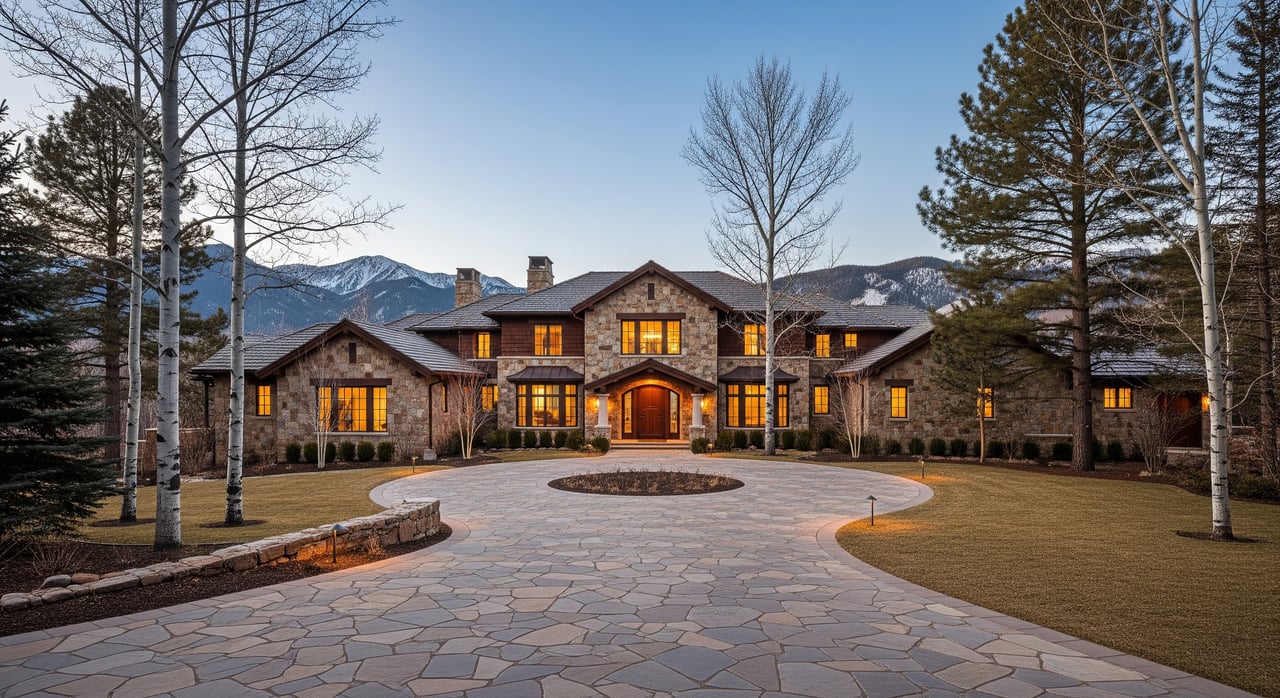
Cherry Hills Village is known for large lots, custom and estate homes, and unique property features. Many purchase prices in the area exceed conforming loan limits, so jumbo financing is common. The buyer pool often includes all-cash purchasers and highly qualified financed buyers. In multiple-offer situations, speed and certainty of closing can matter as much as price.
Unique features such as acreage, equestrian facilities, and trophy architecture can make appraisals more complex because there are fewer nearby comparable sales. That can affect underwriting and timelines. Planning ahead helps reduce surprises.
Jumbo underwriting basics
Jumbo programs vary by lender, but most follow conservative standards. Expect higher documentation, tighter review of assets and income, and more emphasis on reserves.
Credit and pricing
Lenders usually prefer higher credit scores for best jumbo pricing. Scores in the 720–760 range are commonly favored. Rate relationships between jumbo and conforming loans shift over time, so ask your lender for current quotes.
Down payment and LTV
Many lenders go to 80–90 percent loan-to-value for well-qualified primary residences. Still, 20 percent down is common to access the best pricing and terms. Second homes and investment properties often need larger down payments.
Debt-to-income
Typical jumbo DTI limits are similar to conventional guidelines, often around the low-to-mid 40 percent range. Strong compensating factors, such as excellent credit and substantial assets, can support exceptions. Self-employed borrowers should expect more documentation.
Reserves after closing
Jumbo loans often require larger cash reserves than conforming loans. For primary residences, lenders commonly want 6 to 12 months of total mortgage payments on hand after closing. Higher-LTV or non-owner occupied loans can require more. Liquid and verifiable assets are key.
Income documentation
Full documentation is standard. Employed borrowers should gather recent pay stubs and W-2s. Self-employed buyers should prepare two years of tax returns and, when required, a year-to-date profit-and-loss. Some portfolio lenders offer alternative documentation programs, but they usually come with higher pricing and bigger reserve needs.
Property and appraisal
Jumbos typically require a full appraisal by a certified appraiser. For unique or complex estates, the lender may add a second review or request expanded analysis. Limited comparable sales in Cherry Hills Village can lead to conservative valuations, so it is smart to plan for potential appraisal gaps.
Occupancy and purpose
Primary residences receive the most favorable pricing and terms. Second homes and investment properties usually see higher rates, lower maximum LTVs, and larger reserve requirements. If you plan to count lease income, expect documentation such as leases and tax returns and possible lender adjustments.
Strong pre-approval strategy
In a luxury market where cash buyers are active, the strength of your pre-approval can set your offer apart. Focus on depth, speed, and clarity.
Choose the right lender type
- National banks: Competitive jumbo programs and consistency, though sometimes less flexible.
- Portfolio or private banks: More flexible underwriting and useful for complex income or higher LTVs.
- Mortgage brokers: Can shop multiple jumbo investors to match your scenario.
- Local lenders with Cherry Hills experience: Often best with appraisal quirks and complex title or HOA items.
Upgrade your pre-approval
Request a fully underwritten pre-approval, not a basic pre-qualification. A conditional approval from a lender that routinely closes jumbos carries more weight and can support shorter contingencies.
Documents to have ready
- Proof of funds for down payment and reserves: the latest 2–3 months of statements
- Income docs: recent pay stubs and W-2s, or two years of tax returns for self-employed buyers
- Asset letters for stock-based compensation or retirement funds if applicable
- Explanations for large deposits, employment gaps, or credit events
- Gift letters and documentation if using gift funds for a primary residence
Compete with confidence
- Shorten lender contingencies when realistic and safe
- Offer a larger earnest money deposit to show commitment
- Consider flexible closing dates to accommodate appraisal and underwriting
- Explore a bridge solution, such as a HELOC or portfolio bridge loan, to remove a sale contingency if that fits your plan
- Only consider waiving a loan contingency if you have a fully underwritten approval and adequate reserves; discuss risk with your agent and attorney
Appraisal tactics for unique estates
- Ask your agent about commissioning a pre-offer or pre-list appraisal for atypical properties
- Provide the appraiser a comprehensive upgrade and comp packet, including renovations, site maps, and land-use details
- Work with a lender that uses respected appraisal management partners familiar with luxury properties
Timeline and costs
Jumbo transactions can mirror standard timelines when documentation is complete, but plan for a bit more cushion due to appraisal complexity and secondary underwriting reviews.
Closing timeline
Underwriting and appraisals for large or unique homes can take longer. An experienced jumbo lender can still close on a typical schedule if you respond quickly to document requests. Build a contingency that balances competitiveness with realism.
Costs and fees
Closing costs for jumbos are often similar to conforming loans, but you may see higher appraisal fees due to scope and property size. Title, escrow, and inspection costs can also scale with property complexity. Rate differences between jumbo and conforming loans change with market conditions, so compare quotes from more than one lender.
Title, HOA, and zoning
For large parcels or properties with outbuildings, expect deeper title work. Easements, historic covenants, and conservation or HOA rules can affect value, use, or insurability. If parts of a parcel cross jurisdictions, allow time for added reviews and any needed endorsements.
Smart next steps
- Verify the current Arapahoe County conforming loan limit and estimate your likely loan amount
- Talk with a lender early to discuss program types, reserves, and down payment options
- Organize income and asset documentation so you can move quickly
- Set expectations for appraisal timing and strategy if you are targeting unique estates
- Align your offer strategy with your financing strength and risk tolerance
If you want a calm, private, and well-orchestrated buying experience in Cherry Hills Village, our team can help you build a strong plan from day one. We work with a curated network of jumbo lenders, inspectors, title partners, and appraisers who understand luxury properties. Let us guide you through the details so you can focus on the home.
Ready to explore options or request introductions to trusted jumbo lenders? Connect with J. Garland Thurman for a confidential conversation.
FAQs
What is a jumbo loan for Arapahoe County buyers?
- A jumbo loan is any mortgage where the loan amount exceeds the FHFA’s county-level conforming loan limit for Arapahoe County in a given year.
Why are jumbo loans common in Cherry Hills Village?
- Many homes in Cherry Hills Village are high-value estates with prices above conforming limits, so buyers often need jumbo financing to complete the purchase.
How much should I plan for a jumbo down payment?
- While lender programs vary, 20 percent down is common for well-qualified primary residences seeking competitive jumbo pricing.
How many reserves do jumbo lenders require?
- Many jumbo lenders want 6 to 12 months of total mortgage payments on hand after closing for primary residences, with more for higher-risk profiles.
How do I strengthen my jumbo pre-approval?
- Pursue a fully underwritten pre-approval with an experienced jumbo lender, organize documents early, and plan realistic contingencies for appraisal and closing.