Choosing between a brand‑new home and an established neighborhood in Castle Rock can feel like a tug‑of‑war. You want the right house, the right timing, and the right long‑term fit. You also want to avoid surprises like unexpected assessments or insurance issues. In this guide, you’ll learn the practical trade‑offs for Castle Rock buyers, where to dig for the fine print, and how to compare options with confidence. Let’s dive in.
New builds vs. established neighborhoods: the overview
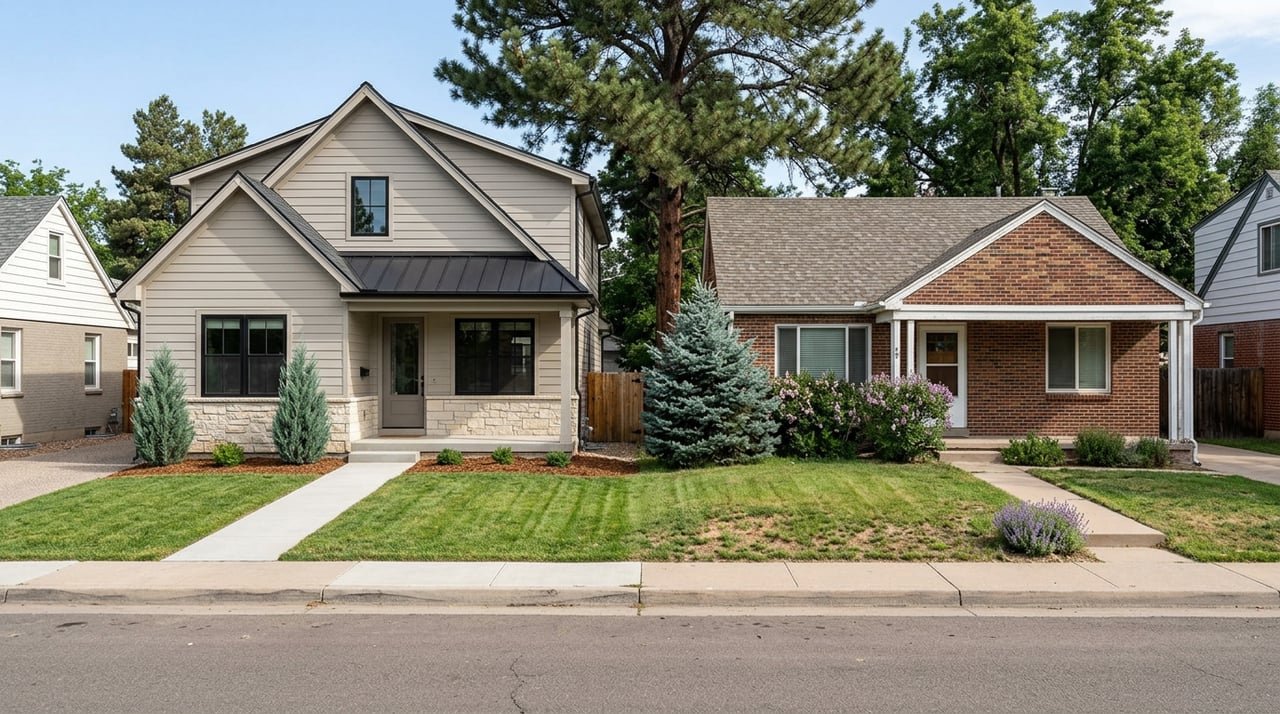
Both paths can work well in Castle Rock. New construction gives you modern floor plans, up‑to‑date building codes, and warranties that limit near‑term maintenance. Established neighborhoods offer mature landscaping, completed amenities, known traffic patterns, and often faster possession. Castle Rock has active master‑planned communities coming online along with long‑standing areas that many buyers already know by name.
If you lean toward new, understand the layers that come with large master plans: metro districts, phased amenity delivery, and builder‑specific warranty and incentive programs. If you lean toward resale, weigh update costs, renovation timelines, and the clarity of recent comparable sales when you plan for resale.
Timeline and moving date
New construction
- Quick‑move‑in options can shorten your wait if a builder has move‑ready or near‑ready inventory. Publicly traded builders report fast cycle times for spec inventory and sometimes offer quick‑close guarantees. You will still want to plan for weeks to months between contract and keys unless the home is fully complete. Some builder filings outline these faster cycles and programs.
- Full custom or dirt‑start builds take longer. Plan for several months to a year or more depending on scope and permitting.
Resale homes
- Expect a typical escrow period, often 30 to 60 days depending on financing and contingencies. If speed of occupancy is critical, resale usually wins.
Customization and finishes
New construction
- You get the strongest say on finishes and structural options during the design window. Builder design centers offer curated choices with clear pricing, though upgrades can be marked up compared with aftermarket work. You can preview an example of builder personalization at KB Home’s Terrain Oak Valley to see how options are structured and marketed to buyers in Castle Rock’s Terrain master plan. Review a current community page for context.
Resale homes
- You can renovate on your timeline and budget. Many buyers choose to negotiate price and then invest selectively in kitchens, baths, lighting, or storage after closing. Account for the time and temporary living costs if major work is needed.
Resale potential and value behavior
There is no automatic rule that new homes appreciate faster than resales or vice versa. Long‑term performance depends on location, lot attributes, neighborhood supply and demand, and overall market conditions. National surveys show most buyers still purchase resale homes and often choose new builds to avoid near‑term renovations and to gain modern features.
In Castle Rock, established neighborhoods with completed parks and shopping often have an immediate sense of place that helps with resale marketing. New master‑planned areas compete on modern product, energy efficiency, and future amenities delivered in phases. When estimating resale potential, use the most recent closed comparables from the same subdivision or phase for a clear picture.
HOA, metro districts, and amenities
This is a big Castle Rock differentiator. Many new master plans use HOAs and one or more metropolitan districts to finance infrastructure like roads, water, sewer, and parks. These districts can add ad valorem mill levies or special assessments on top of base property taxes.
- Ask for the HOA budget, reserve study, and community covenants. Confirm what dues cover and whether amenities are complete or still planned.
- Review metro district budgets and bond schedules before you sign. Castle Rock publishes a Townwide Metro District Report that shows district structures and obligations. Start with the Town’s metro district report.
- Understand amenity timing. Clubhouses, pools, parks, and trails are often delivered in phases. Get the builder’s amenity schedule in writing and verify how it is funded.
In established neighborhoods, fee structures tend to be more stable and predictable. Still, confirm inclusions, upcoming projects, and any special assessments.
Upfront costs, incentives, and financing
Builders commonly offer incentives, especially for quick‑move‑in homes or during softer markets. These can include closing‑cost credits, rate buydowns, and design‑center allowances. Many national builders describe rate‑buydown and quick‑close programs in their public filings. Compare these against concessions you might negotiate on a resale, such as seller credits for closing costs or repairs.
Pro tip: price the real “out‑the‑door” total. For new builds, ask about landscaping, fencing, window coverings, appliances, and garage openers. For resales, budget for any updates you want in year one.
Warranties and early maintenance
New homes usually include layered coverage. A common structure is 1 year for workmanship, 2 years for systems, and up to 10 years for structural components if the builder participates in a third‑party program. Get the full warranty packet in writing, including claim processes and response timelines. Review typical builder warranty FAQs from a third‑party administrator.
Resale homes rarely come with multi‑year builder warranties. You can purchase a third‑party home warranty separately, but coverage and limits differ from builder warranties.
Inspections and quality control
Even with new construction, independent inspections are smart. Arrange inspections at key milestones such as pre‑drywall and pre‑close. Complete a detailed blue‑tape walk to create a written punch list before closing. Keep all documentation and confirm how warranty items are escalated if repairs are delayed.
For resale, a full home inspection is standard and can be a negotiation tool.
Energy efficiency and maintenance
New homes are built to current codes and often include energy‑efficiency features like improved insulation, modern HVAC, LED lighting, and smart thermostats. Some builders market ENERGY STAR packages or provide HERS scores. Builder filings often highlight these features as buyer benefits. Ask for actual ratings and utility projections if energy savings are a priority.
Established homes vary widely by age and prior upgrades. When you budget, consider roof age, HVAC life expectancy, windows, and insulation. Short‑term maintenance can be higher in older homes that need system updates.
Wildfire, insurance, and infrastructure timing
Wildfire and hail risk influence insurance availability and premiums across Colorado. Always check the Town’s wildfire hazard resources and speak with an insurance professional about the specific address. You can also explore local mitigation programs that may reduce risk. Start with Castle Rock’s wildfire safety page and map.
Large infrastructure projects also affect day‑to‑day convenience and future value. The Crystal Valley Interchange is a multi‑year effort that aims to improve I‑25 access in the southern part of town. Local coverage outlines the project and construction timeline. Expect staged progress through 2026 and 2027. If you are weighing a new community nearby, confirm how access and commercial development will evolve during your ownership.
Castle Rock examples to compare
- Established areas like The Meadows offer mature trees, existing parks and pools, and nearby retail that is already operating. You can use recent closed sales in the immediate subdivision to benchmark value and days on market.
- Newer master plans such as Terrain and Dawson Trails deliver modern floor plans and the promise of growing amenities. Dawson Trails describes a large mix of homes and commercial space within a multi‑year plan. In early phases, expect active construction, phased amenities, and metro district layers to review.
If schools are part of your decision, Castle Rock is served by Douglas County RE‑1. Check school assignments and current performance directly with the district or through the state’s data portal. Explore Colorado Department of Education SchoolView for factual, up‑to‑date information.
A simple buyer checklist
Use this list to compare a new build against an established neighborhood side by side:
Taxes and districts
- Identify every taxing authority on the lot and confirm whether a metro or special district applies. Douglas County’s Treasurer portal is a good starting point.
- Review metro district budgets and bond schedules. Castle Rock’s metro district report provides helpful context.
HOA and amenities
- Request the HOA budget, reserve study, and covenants. Verify what dues include and whether any special assessments are planned.
- Get the amenity completion schedule in writing. Confirm how and when each phase will be delivered.
Builder and warranties (new construction)
- Obtain the full builder warranty booklet and the name of the warranty administrator. Review typical third‑party warranty coverage structures.
- Price the total move‑in package: landscaping, fencing, window coverings, appliances, garage openers, and technology features.
Inspections
- Schedule independent inspections at pre‑drywall and pre‑close for new builds. Create a punch list and keep all documentation.
- For resale, hire a reputable inspector and use findings to prioritize repairs and budget.
Insurance and risk
- Run the address through the Town’s wildfire resources and speak with an insurance professional about underwriting and premiums. Use Castle Rock’s wildfire page as a first step.
Market comparables
- For resales, analyze the last 12 months of closed sales in the same subdivision with similar beds, baths, and lot characteristics.
- For new builds, look at recent closings in the same community phase and nearby comparable subdivisions.
How to decide what’s right for you
Start with timing, budget, and tolerance for construction surroundings. If you want turnkey living with the latest systems and lower near‑term maintenance, a new build can be a great fit. If you value mature trees, completed amenities, and a shorter path to closing, an established neighborhood may serve you better.
Then, layer in the Castle Rock specifics that move the needle: metro district obligations, HOA rules, warranty coverage, amenity timing, wildfire and insurance exposure, and evolving infrastructure near the property. The more you verify up front, the more confident you will be on closing day.
When you want steady guidance through that homework, a local advocate makes the process easier. From verifying metro district documents to comparing builder warranties and timing your move, you deserve a calm, experienced hand at your side. If you are weighing Castle Rock new builds against established neighborhoods, connect with J. Garland Thurman for local insight and a clear plan.
FAQs
What are the biggest cost differences between new builds and resales in Castle Rock?
- New builds can include metro district taxes, phased HOA obligations, and upgrade packages, while resales may need upfront renovations. Always compare total out‑the‑door costs, not just list prices.
Do I still need inspections for a new construction home in Castle Rock?
- Yes. Arrange independent inspections at pre‑drywall and pre‑close and complete a detailed punch list before closing to protect warranty claims and quality.
How do metro districts affect my property taxes on a new build?
- Metro districts issue debt for infrastructure and collect mill levies that add to your annual taxes. Review district budgets and bond schedules before signing to understand long‑term obligations.
Will amenities be ready when I move into a new community?
- Often not. Amenities like pools and clubhouses are commonly delivered in phases. Get the amenity timeline in writing and confirm how each phase is funded and scheduled.
How does wildfire risk impact buying in Castle Rock?
- Wildfire exposure can affect insurance availability and premiums. Use the Town’s wildfire resources and speak with an insurance professional about the specific address before you write an offer.
What should I confirm about a builder’s warranty before I sign?
- Get the full coverage terms, the warranty administrator name, whether it is insurance‑backed, what is included or excluded, and how claims are handled. Confirm transferability if you plan to sell within a few years.