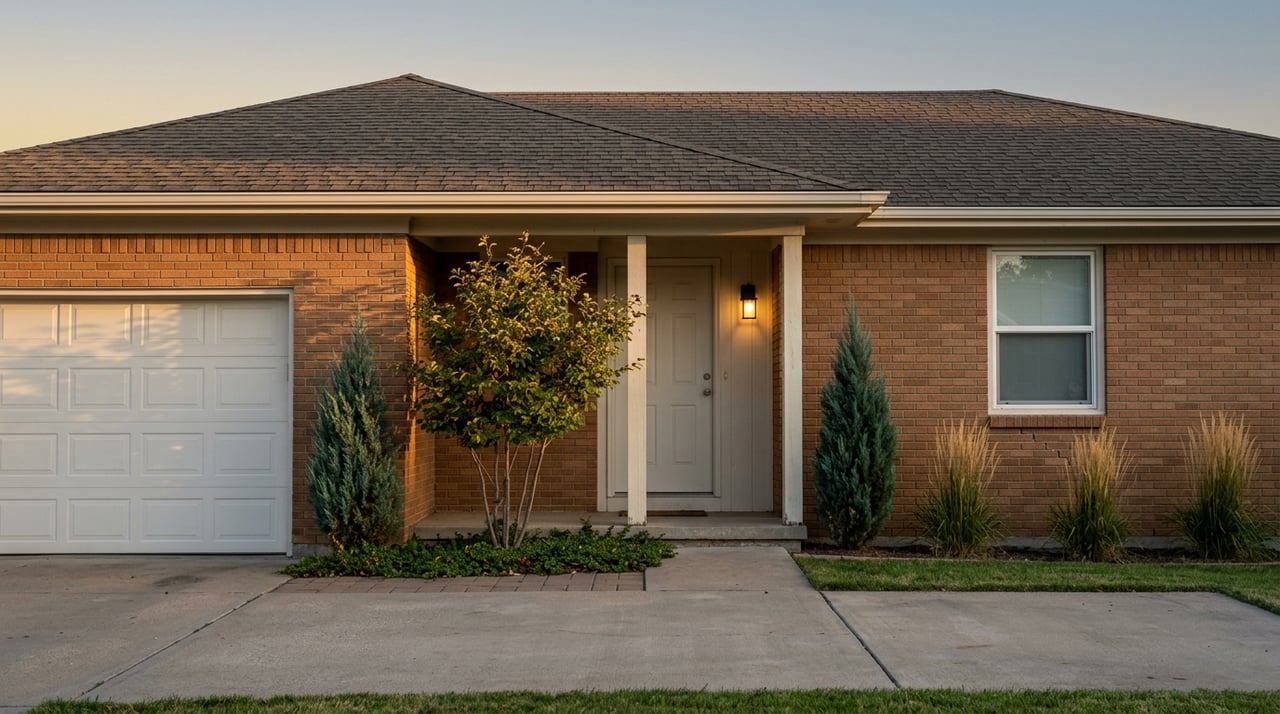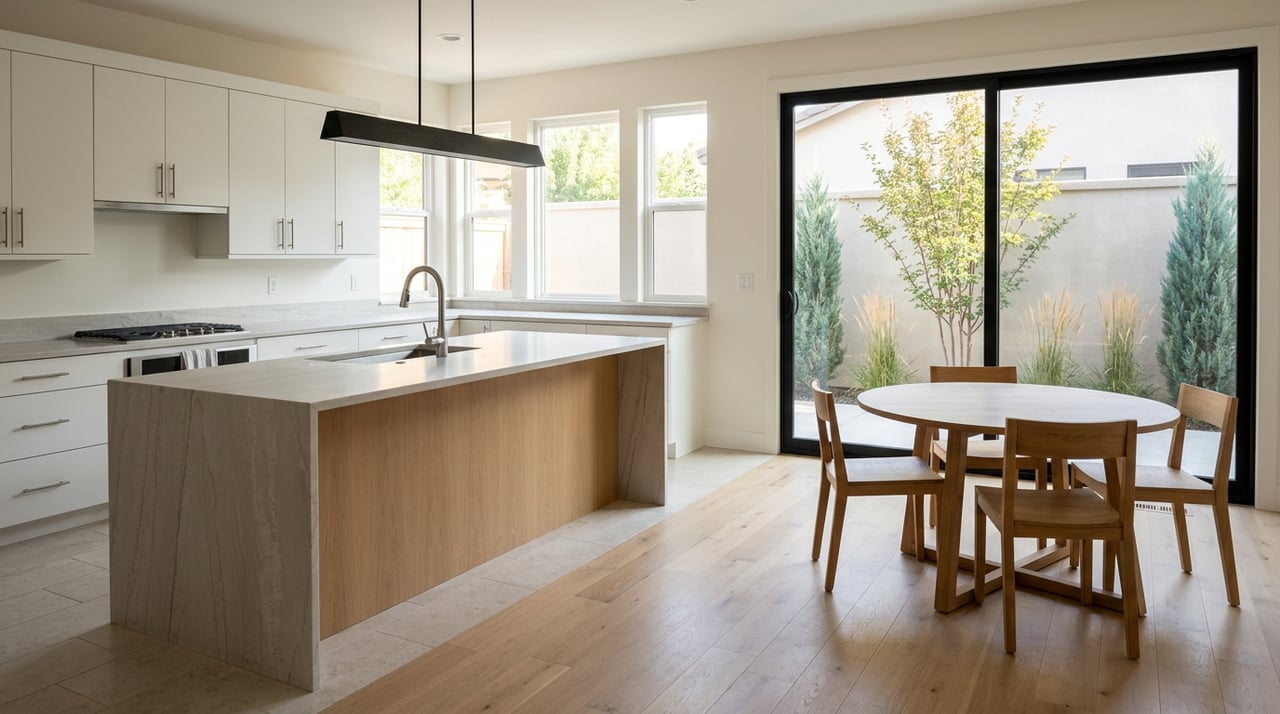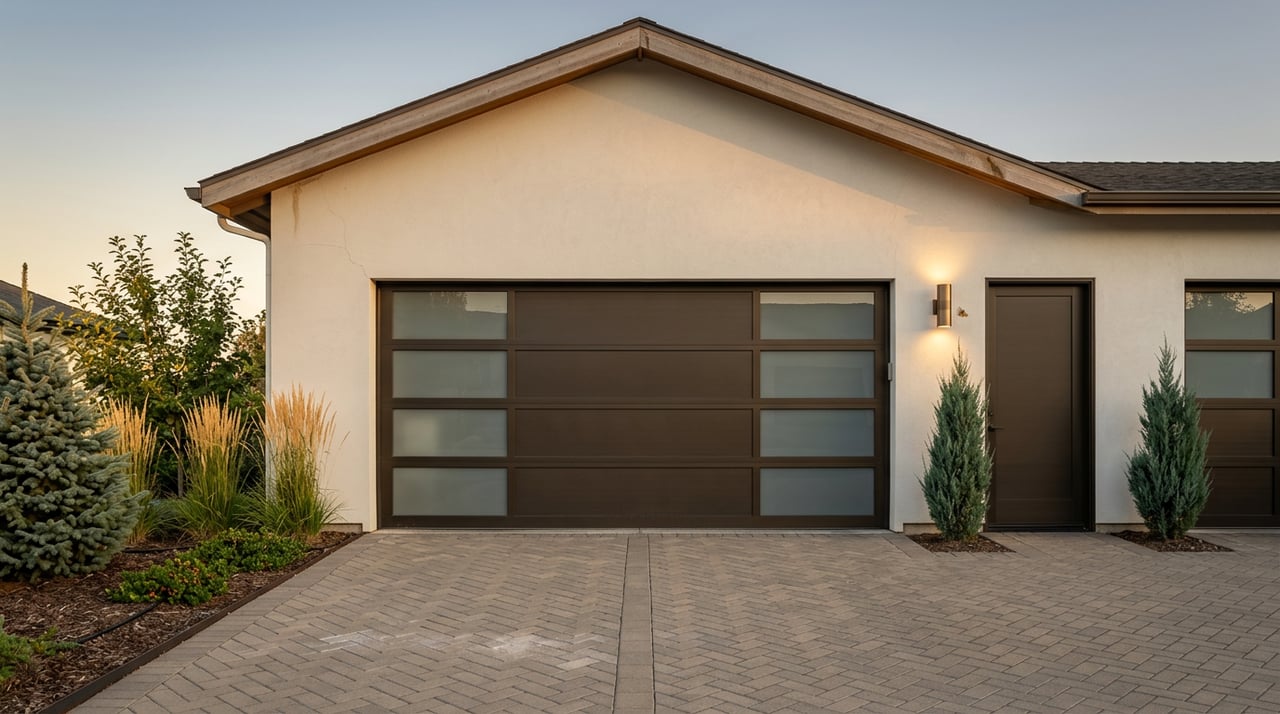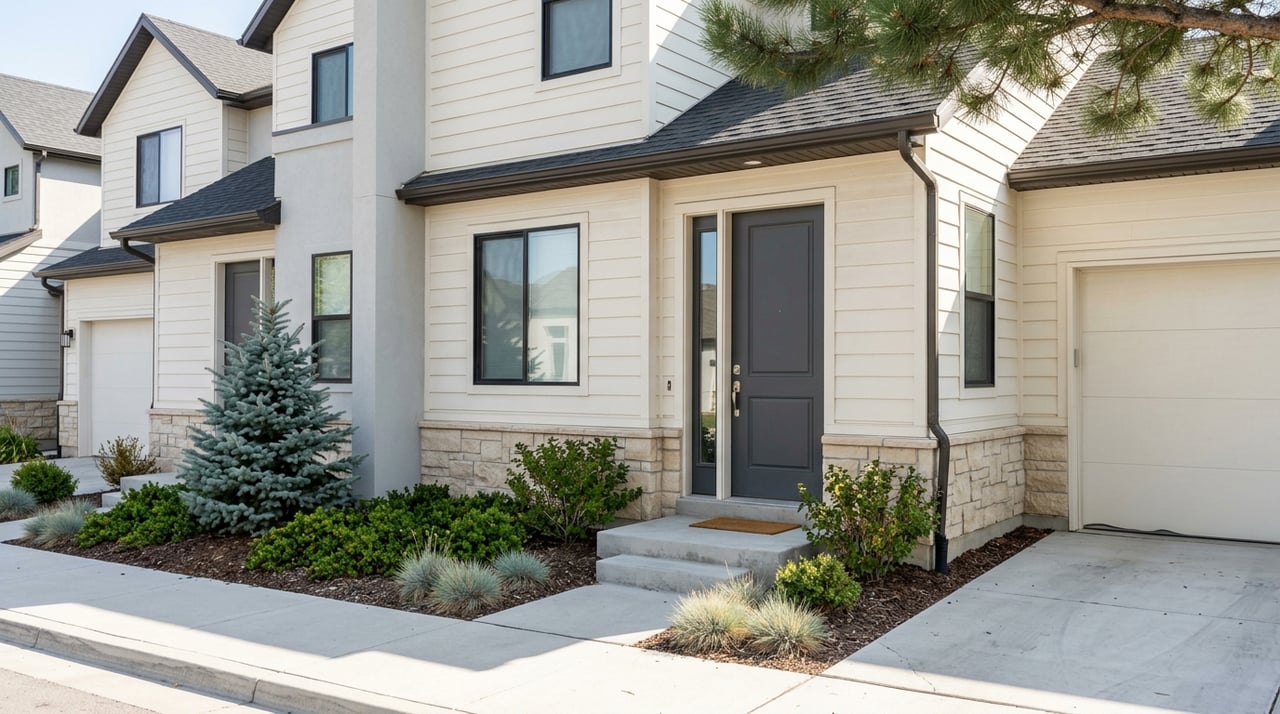
Wondering whether a townhome or a single-family home makes more sense in Highlands Ranch? It is a smart question, because in this community, the decision is about more than just square footage or price. You also need to think about maintenance, privacy, HOA structure, and how you want to live day to day. If you are weighing your options, this guide will help you compare the tradeoffs clearly and confidently. Let’s dive in.
Why this choice matters in Highlands Ranch
Highlands Ranch is a large master-planned community in Douglas County, and that shapes the ownership experience in a very real way. According to the Highlands Ranch Metro District, local amenities and services are shared across the community, while the Highlands Ranch Community Association serves as the HOA and enforces covenant controls.
That means your choice is not simply townhome versus detached house. In many cases, you are also choosing between different levels of association involvement, exterior maintenance responsibility, and private outdoor space.
Community amenities are shared
One of the biggest advantages of Highlands Ranch is that access to outdoor amenities is not limited to owners with larger lots. The Metro District manages 26 parks, more than 70 miles of trail, and 2,644 acres of open space, while HRCA operates four recreation centers and the Backcountry Wilderness Area, as outlined on the community overview page.
For you as a buyer, that is important. If you choose a townhome with a smaller patio instead of a detached home with a larger yard, you still have broad community access to parks, trails, and recreation. In other words, you do not have to own a large private lot to enjoy an active outdoor lifestyle in Highlands Ranch.
What a townhome usually offers
Fannie Mae describes a townhome as a two- or three-level home attached to a similar home by a shared wall, usually with a private entrance and often a deck or patio. Their guidance also notes that HOA fees commonly cover exterior spaces, which often reduces the owner’s day-to-day upkeep burden, as explained in this townhome and detached home overview.
In practical terms, a townhome often appeals to buyers who want a more lock-and-leave lifestyle. You may have less yard work, fewer exterior tasks, and a simpler maintenance routine than you would in a detached home.
That said, townhome living usually comes with tradeoffs. Shared walls can mean less separation from neighbors, and private outdoor space is often smaller than what you would find with a detached home.
When a townhome may fit best
A townhome may be a strong fit if you want:
- Less exterior maintenance
- Fewer yard chores
- A simpler lock-and-leave lifestyle
- Community amenities without needing a large private lot
- A home style that may feel more manageable for a busy schedule
If your priority is convenience over having a larger parcel of land, a townhome can be a very practical option in Highlands Ranch.
What a single-family home usually offers
A detached single-family home is a standalone residence on its own parcel. Fannie Mae notes that the homeowner is usually responsible for maintenance inside and out, although some detached homes are still part of HOA-governed communities with certain exterior responsibilities handled by the association. You can review that distinction in the same Fannie Mae property type guide.
In everyday life, a detached home often gives you more privacy, more separation from neighbors, and more flexibility in how you use your outdoor space. If you enjoy gardening, want room for outdoor projects, or simply prefer more breathing room around the home, a detached property may line up better with your goals.
But more space usually means more responsibility. Fannie Mae’s home maintenance guidance highlights the need to budget for exterior work, plumbing, electrical systems, HVAC, and seasonal upkeep, all of which become especially relevant when you own a larger home and lot.
When a single-family home may fit best
A detached home may be the better choice if you value:
- More privacy and separation
- More private outdoor space
- More flexibility for gardening, pets, or projects
- A home that feels more independent overall
- The ability to take on more routine maintenance and repairs
If your lifestyle benefits from extra outdoor room and greater physical separation, a single-family home may be worth the added upkeep.
HOA rules matter in both cases
One of the most common assumptions buyers make is that detached means no HOA restrictions. In Highlands Ranch, that is often not the case.
According to HRCA, many properties are covenant-controlled, and some neighborhoods also have sub-associations with separate boards and fees. That means you may be responsible for both HRCA assessments and additional sub-association dues, depending on the property.
This layered structure matters whether you buy a townhome or a detached home. You should never assume the ownership experience is defined by the building type alone.
Exterior changes may need approval
HRCA states that all exterior home improvements require Architectural Review Committee approval, and the Residential Improvement Guidelines are the official covenant document for exterior work. You can review that process on the HRCA covenants and improvements page.
For buyers comparing townhomes and single-family homes, this is a key point. Even if you buy a detached house, you may still need approval for changes related to paint, landscaping, fences, or other exterior updates.
Compare lifestyle, not just layout
In Highlands Ranch, the better question is often not “Which property type is better?” but “Which ownership style fits your life better?” The Metro District handles community parks, trails, open space, and major-road landscaping, so your access to shared amenities is generally not the deciding factor.
Instead, your decision often comes down to three things:
- How much private space you want
- How much maintenance you want to handle
- How much association structure you are comfortable with
That framework can help you move beyond surface-level comparisons and focus on what will matter after move-in day.
Budget for the full monthly cost
HOA dues are an important part of the comparison. The Consumer Financial Protection Bureau notes that HOA dues are usually paid directly to the association and are separate from your mortgage payment.
That means a lower-maintenance townhome may come with dues that support exterior care or shared services, while a detached home may have a different balance of dues and direct maintenance costs. Neither is automatically better. What matters is understanding your full monthly housing budget before you commit.
Questions to ask on any Highlands Ranch listing
Before you choose between a townhome and a single-family home, make sure you verify the details that shape ownership costs and responsibilities.
Ask these questions on any Highlands Ranch property:
- Does the property fall under HRCA only, or HRCA plus a sub-association?
- What exterior maintenance is covered by dues, and what remains your responsibility?
- Are there architectural approval requirements for fences, paint, landscaping, or additions?
- Are there reserve funds or any recent special assessment concerns?
- How do HOA dues affect your total monthly budget?
Fannie Mae recommends reviewing HOA documents carefully, including CC&Rs, bylaws, reserve funding, and any special-assessment risk. Their HOA guidance is a helpful starting point if you want to understand what to request and review before closing.
A simple way to decide
If you are torn between the two, try this practical test. Picture a typical month in your life, not just your dream home on paper.
If you want less exterior work, smaller private outdoor space, and a more lock-and-leave routine, a townhome may feel like the better match. If you want more privacy, more room outdoors, and are comfortable taking on more maintenance, a detached single-family home may serve you better.
In Highlands Ranch, both options can work well. The key is choosing the one that matches how you actually want to live, maintain, and budget for your home.
If you want help comparing specific properties in Highlands Ranch, J. Garland Thurman can help you look beyond the photos and square footage to evaluate HOA structure, maintenance tradeoffs, and the day-to-day ownership experience with calm, experienced guidance.
FAQs
Can a single-family home in Highlands Ranch still have HOA rules?
- Yes. HRCA says many properties are covenant-controlled, and some homes also belong to sub-associations with separate fees and rules.
Does a townhome in Highlands Ranch always mean less upkeep?
- Usually, a townhome has less exterior and yard responsibility than a detached home, but the exact maintenance split depends on the HOA, dues, and governing documents.
Do townhome owners in Highlands Ranch still have access to parks and trails?
- Yes. The Metro District manages parks, trails, and open space community-wide, so access to those amenities is not tied to owning a larger lot.
What should you review before buying a Highlands Ranch townhome or detached home?
- You should review which associations apply, what the dues cover, the CC&Rs and bylaws, reserve funding, any special-assessment risk, and whether exterior changes require approval.
Is a detached home in Highlands Ranch more flexible than a townhome?
- It often offers more private space and separation, but exterior changes may still be subject to HRCA or sub-association approval, so flexibility is not unlimited.