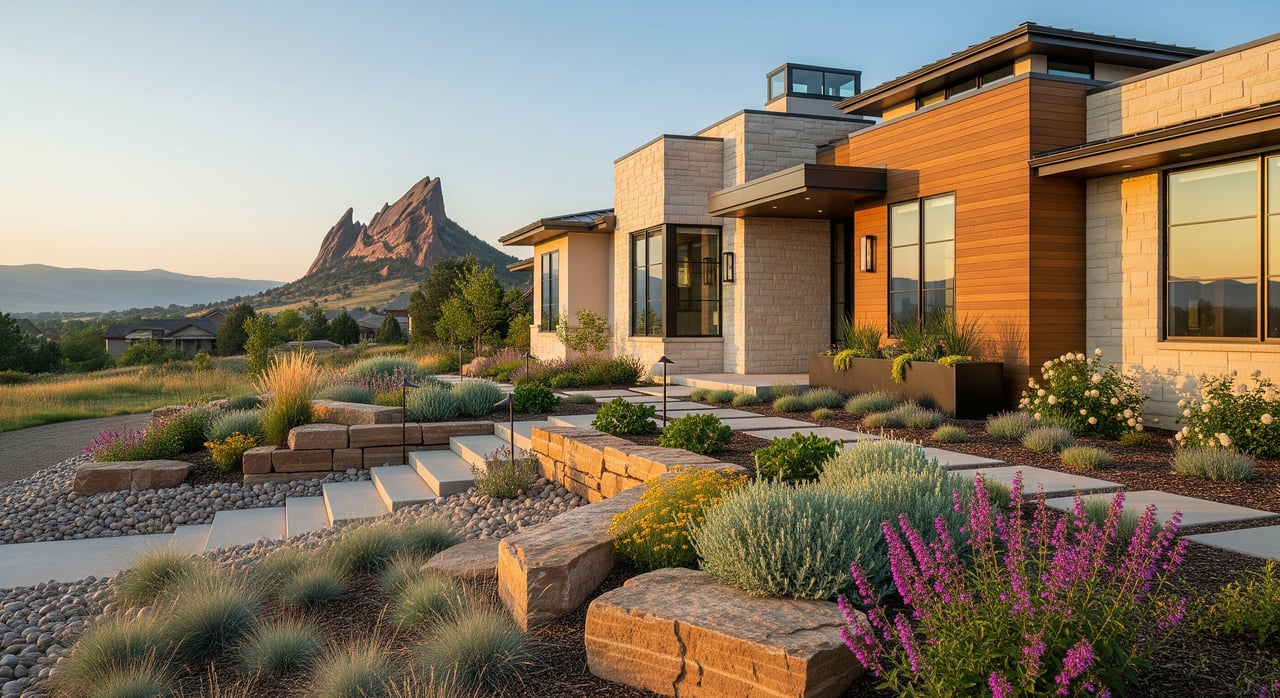
Thinking about replacing thirsty lawn with a water-wise yard? In Castle Rock’s semi-arid climate at 6,000 to 6,500 feet, that choice can lower your bills and refresh your curb appeal if you plan it well. You might be weighing costs, HOA rules, and how buyers will react when it is time to sell. This guide shows you how xeriscaping works in Castle Rock, what it costs, how it affects value, and the steps to do it right. Let’s dive in.
Why xeriscaping fits Castle Rock
Castle Rock’s Front Range location means low humidity, strong sun, and cold winters. Outdoor irrigation is often the biggest piece of a home’s water use here, so a thoughtful xeriscape can make a real impact. Local microclimates typically fall around USDA Zones 5b to 6a, so select cold-tolerant, drought-adapted plants that can handle late spring or early fall freezes.
Soils vary from clay to rocky. A basic soil test helps you choose amendments and design for drainage. Mulch, careful hydrozoning, and drip irrigation help you conserve moisture during our spring to fall watering window.
Xeriscape basics that work here
Xeriscaping is not a gravel-only yard. It is a design approach built on seven proven principles:
- Plan and design your yard with sun, shade, and water zones in mind.
- Improve soil where needed to support plant establishment and drainage.
- Select appropriate plants and group them by water need.
- Use efficient irrigation such as drip and smart controllers.
- Mulch beds to conserve moisture and control weeds.
- Limit turf to functional areas you actually use.
- Maintain with seasonal pruning, weeding, and irrigation checks.
For trees, use bubblers or deep watering. For beds and shrubs, drip lines and emitters are ideal. Balance hardscape like stone or pavers with living plants so the yard looks intentional, not barren.
Plants and materials for Castle Rock
Choose native or well-adapted, cold-hardy species. A cohesive palette creates a tidy, designed look.
- Low-water grasses and lawn alternatives: buffalo grass, blue grama, and native short-grass mixes. Note that many warm-season grasses go tan in cool months.
- Perennials and wildflowers: penstemon, blanketflower, yarrow, purple coneflower, western asters, and sedums for texture and color.
- Shrubs and small trees: mountain mahogany, serviceberry, Rocky Mountain juniper, Ponderosa pine in suitable areas, plus sagebrush or rabbitbrush where appropriate.
- Groundcovers and rockscape: sedum and creeping thyme, with native stone mulch or decomposed granite for paths.
Avoid invasive species and plants that demand heavy summer water. Confirm specific varieties fit your exact microclimate and site conditions.
Water savings and costs
If you currently irrigate a conventional lawn, xeriscaping paired with efficient irrigation often reduces outdoor water use. Many homeowners see reductions in the range of about 30 to 60 percent after turf replacement and smart watering practices. Exact results depend on your prior watering habits, plant choices, and how well you manage irrigation.
Budget varies by scope. Small front-yard refreshes, partial turf removal, new drip lines, and basic plantings often run from about 1,000 to 5,000 dollars. Larger front yards or full-yard conversions with grading, hardscape, mature trees, and a professional design plan commonly range from 5,000 to 30,000 dollars or more. Grading fixes, old turf removal, imported soil, and premium materials drive costs higher.
Rebates and incentives to explore
Many Colorado water providers offer conservation resources, irrigation audits, smart-controller rebates, and sometimes turf-conversion incentives. Programs and amounts change, so check the Town of Castle Rock water conservation pages, Douglas County resources, statewide guidance from the Colorado Water Conservation Board, and nearby utility programs.
Keep all documentation. Save invoices, before and after photos, and irrigation plans for rebate applications and to show future buyers.
HOA, permits, and process
Many Castle Rock and Douglas County neighborhoods have HOAs with design standards for plant types, front-yard turf coverage, visible hardscape, and tree requirements. Review your CC&Rs and architectural guidelines before you draw up plans. Engage the architectural review committee early and submit a complete package with drawings and plant lists to speed approval. If you need a variance, emphasize aesthetics, erosion control, and drought resilience.
Most xeriscape installations do not require building permits. Larger grading, retaining walls, and some irrigation connections might. Check Town of Castle Rock and Douglas County permitting and drainage requirements before you start.
Step-by-step timeline
- Assess: soil test, irrigation audit, water bill review, and sun or shade mapping, about 1 to 2 weeks.
- Design: layout, plant palette, irrigation plan, and HOA submission, about 2 to 6 weeks.
- Approvals: HOA review and any municipal permits, roughly 2 to 8 weeks.
- Install: turf removal, soil prep, irrigation, planting, and hardscape, about 1 to 3 weeks or longer.
- Establish: more watering at first, then taper to a maintenance schedule over several months.
- Maintain: seasonal pruning, mulch refresh, weed control, and annual irrigation checks.
Who to hire and what to ask
A strong team improves results and protects your budget.
- Professionals to consider: landscape designers with xeriscape experience, licensed landscape contractors, irrigation specialists, and certified xeriscape pros.
- What to ask: a portfolio of local xeriscapes, references, a clear design versus installation cost breakdown, irrigation details, a maintenance plan and schedule, and plant or installation warranties.
- Bid strategy: request multiple bids and ask for phased options, such as a lower-cost first phase and a future expansion.
Design tips for curb appeal
Buyer perception depends on design quality. Follow a few simple rules:
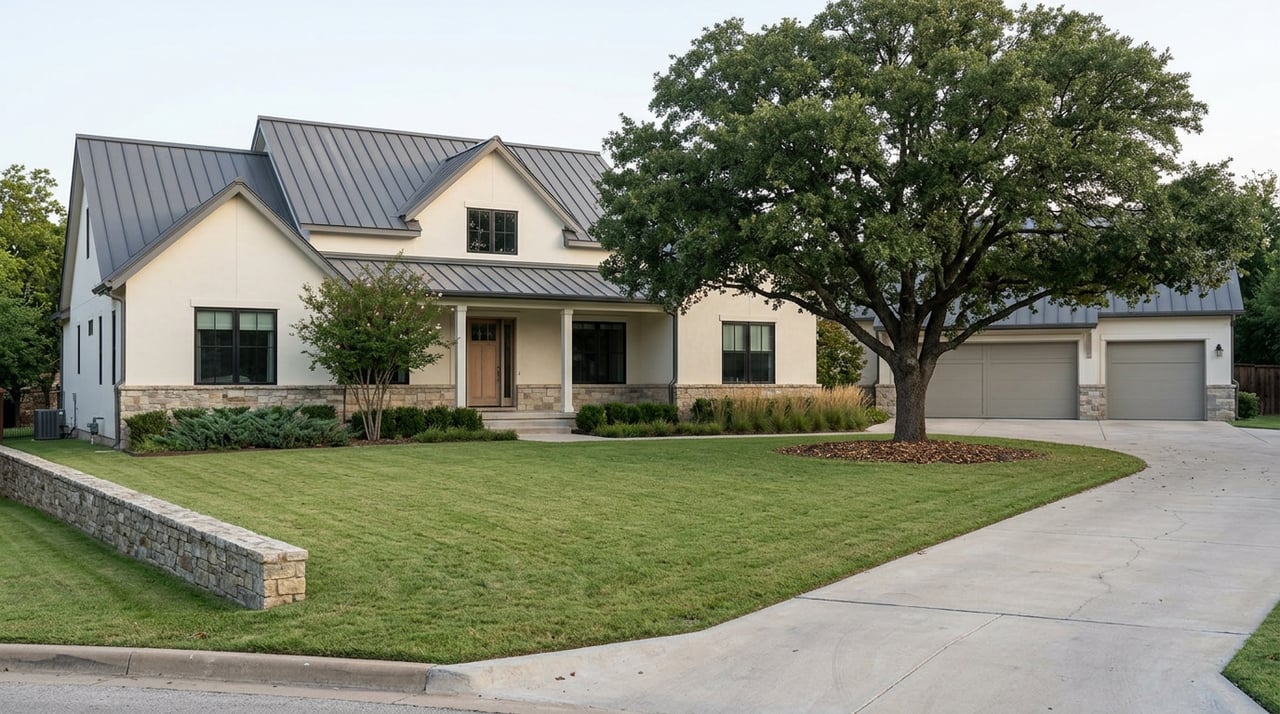
- Keep a modest, functional turf area if your neighborhood expects some lawn, often in the back or a small front strip.
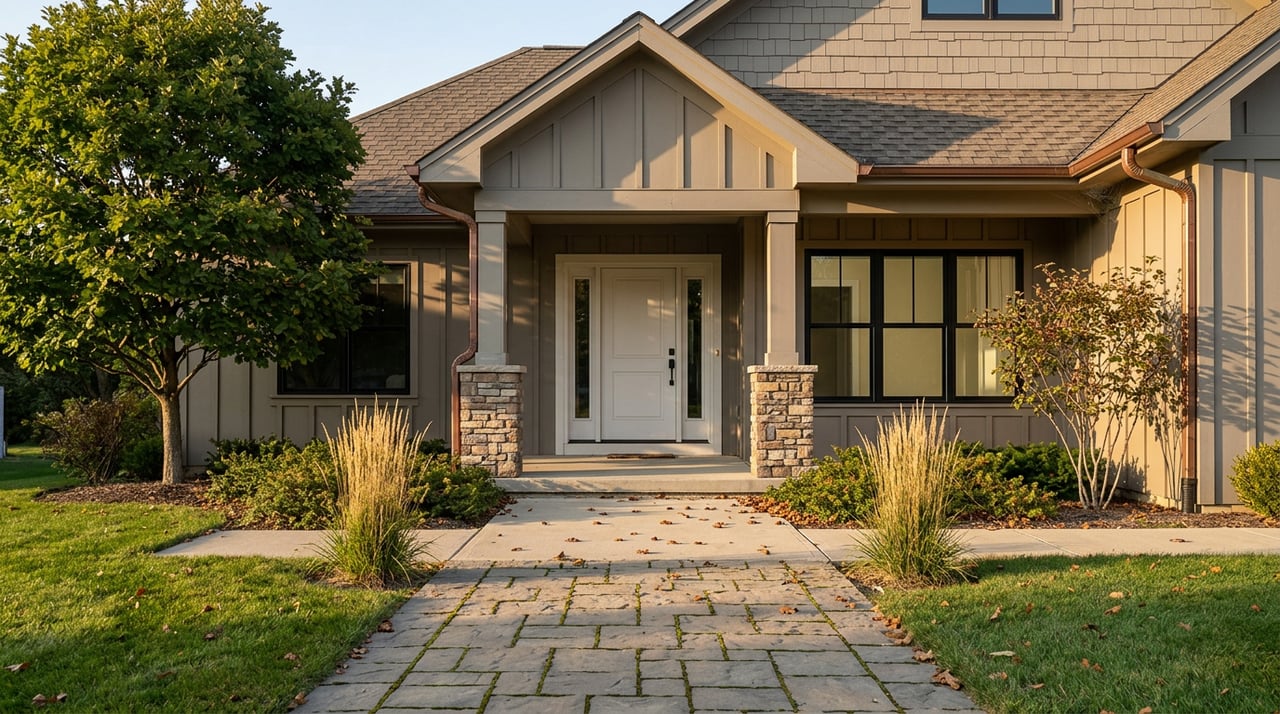
- Create clear edges and defined beds with a limited, cohesive plant palette.
- Add seasonal color with perennials and structure with evergreens.
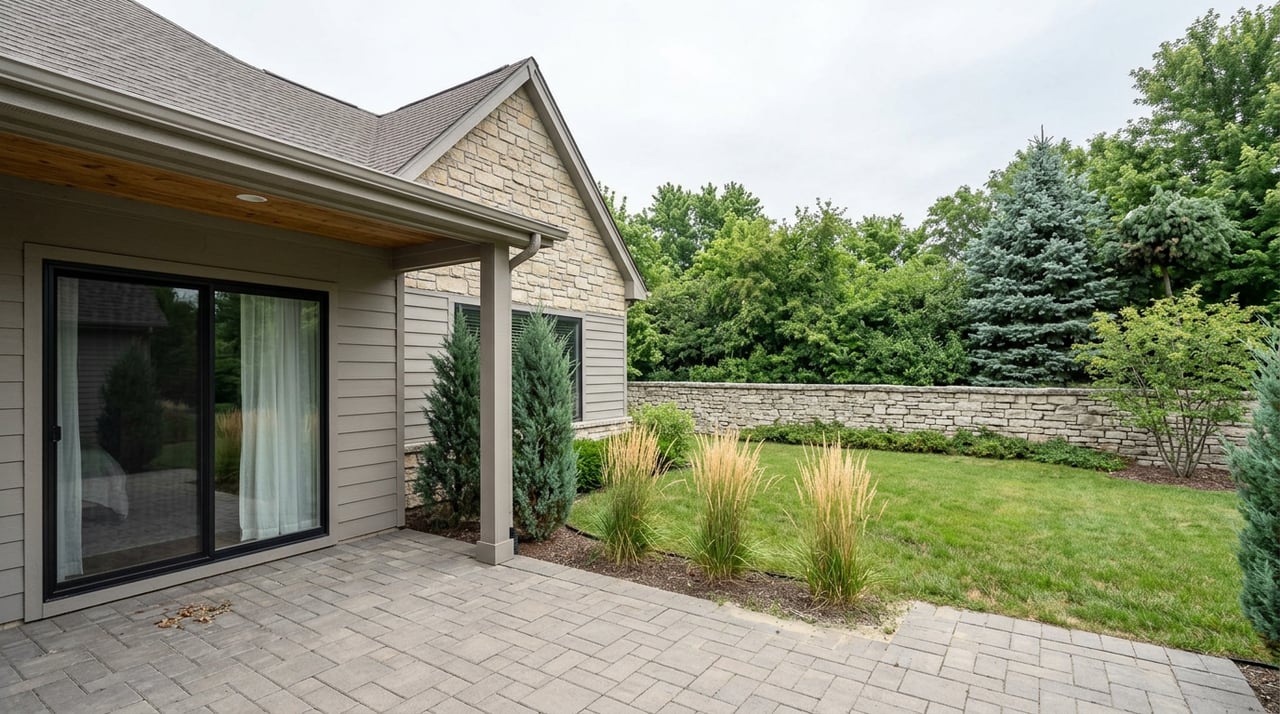
- Use pathways and seating to show functional outdoor living.
- Maintain a tidy mulch layer and control weeds.
Maintenance made simple
Xeriscapes need care, just less water over time.
- Expect higher watering during establishment, then scale back.
- Refresh mulch every 1 to 3 years to conserve moisture and deter weeds.
- Prune seasonally to keep plants neat and healthy.
- Check irrigation at the start of each season and winterize before freezes.
- Remove invasive grasses or volunteer weeds early to prevent spread.
Curb appeal and resale value
In semi-arid markets like Castle Rock, a well-executed xeriscape can be a selling point. Many buyers appreciate attractive design, lower water use, and simpler upkeep. The best results come from designs that look intentional and include defined beds, attractive pathways, seasonal color, evergreens for year-round interest, and functional spaces.
Poorly executed projects can drag down curb appeal. Avoid patchy plantings, too much exposed rock, or bare soil. If you are selling, document the value. Include before and after water bills, irrigation schedules, plant lists, and any rebates to show buyers clear benefits.
Selling a Castle Rock home with xeriscape
You do not need a complete overhaul to make an impact. Clean edges, fresh mulch, focused weeding, and a few strategic plant additions can lift first impressions. If most nearby homes keep some lawn, preserve a small, healthy turf area while showcasing xeric beds.
Create a simple landscape packet for buyers. Include:
- Irrigation system details and zones
- Plant list and water needs by zone
- Estimated annual outdoor water use
- Maintenance calendar or contractor contact
- Rebate documentation and before or after photos
Is xeriscaping right for you?
If you want lower water use, a fresh look, and less weekly mowing, xeriscaping is worth a close look. The key is planning. Start with your goals and budget, then design for beauty, function, and efficiency. With the right team and a clear process, you can achieve a yard that fits Castle Rock’s climate and supports long-term value.
Ready to talk through options for your home or a future sale? Reach out to J. Garland Thurman for calm, local guidance and a vetted network of professionals who can help you plan, install, and present a xeriscape that works. Let’s Connect.
FAQs
Will xeriscaping reduce my Castle Rock water bill?
- Many homeowners see outdoor water-use reductions of about 30 to 60 percent after turf replacement and efficient irrigation, with results depending on prior watering and plant choices.
How does xeriscaping affect resale value in Castle Rock?
- Well-designed xeriscapes tend to help curb appeal and marketability, while neglected rock yards or sparse plantings can hurt; document water savings and maintenance to show value.
What does a xeriscape conversion cost locally?
- Small partial conversions often run about 1,000 to 5,000 dollars, while larger transformations commonly range from 5,000 to 30,000 dollars or more based on scope and materials.
Do I need HOA approval in Castle Rock?
- Many neighborhoods require HOA review for visible front-yard changes, so read your CC&Rs and submit a complete plan with drawings and plant lists before starting work.
What is the fastest curb-appeal upgrade on a budget?
- Define bed edges, add a clean mulch layer, weed thoroughly, and plant a few well-placed, low-water perennials for seasonal color to create an intentional look.
Which plants handle Castle Rock’s elevation and cold?
- Choose cold-hardy, drought-adapted species such as buffalo grass, blue grama, penstemon, blanketflower, yarrow, serviceberry, and Rocky Mountain juniper, matched to your microclimate.